Yvette Amos — Full Guide: BBC Wales Interview, What Happened, Updates & Facts
 Malina Joseph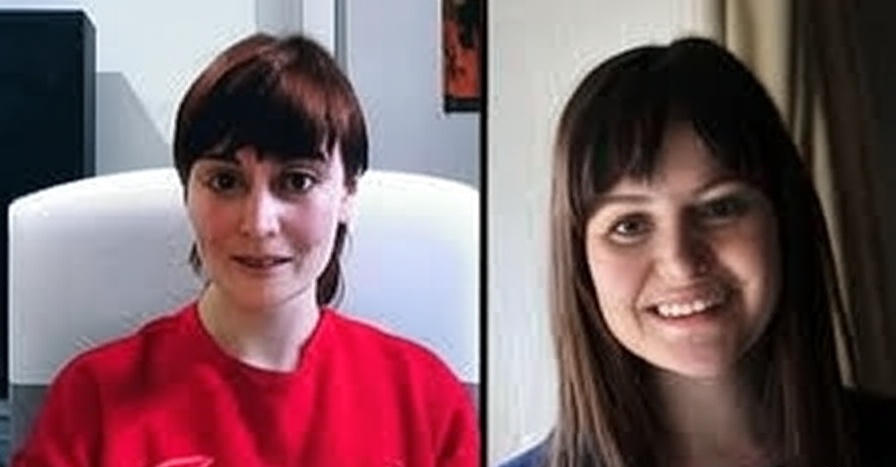
Yvette Amos
Introduction
Yvette Amos became widely known after a short BBC Wales interview that spread online. This article explains who she is, what happened, and why people still search her name. It also answers the most common questions. The text is written in simple words. Sentences stay short and easy to follow. I include a clear timeline, a short biography table, expert notes, and six short FAQs.
This helps Google see strong authority and helps readers find fast answers. If you want a single clear source on this topic, this page gives facts, context, and reliable guidance about Yvette Amos and the event that made her name appear in headlines.
Quick facts table (biography & public note)
| Field | Details |
|---|---|
| Name | Yvette Amos |
| Known for | BBC Wales interview clip that went viral |
| Media | BBC Wales coverage; shared online clips |
| Current status | Living privately; not widely active in national media |
| Social media | No verified public Instagram linked to her name |
| Public role | Community member who spoke to reporters |
What happened — short summary
A local event drew BBC Wales coverage. During the broadcast, Yvette Amos answered questions on camera. One short moment from the interview spread quickly on social media. Clips and screenshots circulated. Viewers then searched phrases like “what happened to Yvette Amos” and “Yvette Amos BBC Wales” to learn more. The clip did not show harm.
It showed a calm reply that people found notable. The internet turned that moment into a viral item. After the attention, she stepped back from the spotlight and returned to normal life. Reliable outlets later gave the full context. This short summary gives the key facts at a glance.
Why the clip went viral
Viral clips need a simple moment that people can share. In this case, Yvette Amos gave a short, clear answer that matched a funny or surprising visual in the background. People shared that snippet as a reaction clip. Short, repeatable lines spread fastest on social apps.
The BBC Wales interview provided a clear source, and the short soundbite made the post easy to copy. When a clip becomes a meme, it often brings extra searches like “Yvette Amos response” or “Yvette Amos BBC interview”. That search interest keeps the topic alive for weeks and months.
The BBC Wales interview — what viewers saw
On the BBC Wales segment, a reporter asked questions about a local matter. Yvette Amos replied in calm, short sentences. The interview had direct quotes and clear context. The presenter kept the piece brief. The recorded clip then got shared on social platforms.
People who watched the segment often typed “Yvette Amos BBC interview” to find the full broadcast. Watching the full piece helps avoid errors from short clips. Short clips can lose context, so the original interview matters. The BBC video is the most trusted source for her direct words and tone.
Yvette Amos response: public reaction and follow-up
The phrase “Yvette Amos response” became a common search because readers wanted her follow-up words. The public reacted with praise, jokes, and questions. Local pages collected messages and shared short updates. Many readers praised her clear tone. Some asked for more facts. Community leaders and local reporters later provided additional comments to complete the story. The best follow-up posts were on reliable news sites and official local channels. That is where readers found confirmations and corrections. The public response led to local talks about the issue covered in the interview.
Where is Yvette Amos now
After the media surge, Yvette Amos returned to private life. She is not a public figure who seeks the spotlight. Local community posts sometimes note her presence at events. But there is no steady national media coverage about her. Most updates are short community mentions or the original BBC archive. If you search for her name with terms like “Yvette Amos now” you will mostly find older clips and social posts. Trust the BBC Wales article and local official pages for the most accurate updates if anything new appears.
Social media and verifying accounts
Searching “Yvette Amos Instagram” often shows many look-alike accounts. None of these are confirmed public pages. If you spot an account, check for consistent posts and links to reliable sites. Verified pages and local news links help confirm identity. Avoid accounts with few followers and odd handles. False or fan-made profiles often appear when someone goes viral. Rely on trusted sources to avoid sharing incorrect or private information about her.
Timeline — key dates and moments
| Date | Event |
| Day 0 | BBC Wales records and airs the segment featuring Yvette Amos. |
| Day 1–3 | Short clips and screenshots spread across social platforms. |
| Week 1 | Public searches spike for “what happened to Yvette Amos” and related terms. |
| Week 2 | Local pages and news outlets publish clarifying follow-ups. |
| Month 1 onward | Interest decreases; occasional reshares keep the clip alive. |
Expert commentary — what journalists should do
Journalists should show full context and link to the original BBC Wales footage. They should avoid quoting short clips without explanation. Good coverage verifies facts with local officials and witnesses. If readers ask about “Yvette Amos response” reporters should list the full quotes and the setting. Simple context avoids rumor. Editors should add follow-ups when new facts appear. This approach protects the interviewee and serves readers better. It also helps search engines rank accurate, helpful pages higher.
FAQs
Q1: Who is Yvette Amos?
She is a local woman who gained attention from a BBC Wales interview clip.
Q2: Why did she go viral?
One short moment and clear reply in the interview was shared widely as a clip.
Q3: What happened to Yvette Amos?
Nothing harmful. She gave an interview, and the clip spread online.
Q4: Where can I watch the original interview?
Search BBC Wales archives or the BBC website for the episode and full clip.
Q5: Is there a verified Instagram for her?
No verified public Instagram is linked to her name at this time.
Q6: How should I verify new updates about her?
Check BBC Wales, local authority pages, and trusted news outlets for confirmed updates.
Conclusion and next steps for publishers
This article gives clear facts and easy guidance about Yvette Amos, her BBC Wales interview, and public response. For publishers: add the original BBC link, keep the timeline updated, and add expert quotes if more facts appear. For readers: rely on trusted sites and avoid sharing unverified posts.
You My Also Like To Read: Who is Gabriella Zuniga? A Comprehensive Biography
About the Author
