 Malina Joseph
Global Conferences
Attending a Global/international conference can feel both exciting and a little overwhelming, especially if it’s your first time traveling for a professional event. Global conferences bring together researchers, professionals, innovators, and students from around the world to share ideas, present discoveries, and build meaningful connections that can shape the future.
If you’re wondering what to expect when attending Global Conferences in the USA, the experience usually includes keynote speeches, research presentations, interactive workshops, and valuable networking opportunities. You’ll meet professionals from diverse backgrounds, exchange ideas, and gain fresh perspectives on your field. Keep reading to explore the full experience and discover how to make the most of it.
What Can You Expect When Attending Global Conferences in the USA?
Attending global conferences offers a dynamic mix of learning, professional networking, and international collaboration. Participants typically experience keynote speeches, research presentations, hands-on workshops, and networking sessions with experts from around the world. Continue reading to explore the key experiences in detail.
Keynote Speeches
Keynote speeches are often the highlight of global conferences in USA. These sessions are delivered by respected industry leaders, renowned researchers, or influential professionals who share insights on emerging trends, groundbreaking research, and future developments within a field. Keynote presentations set the tone for the entire conference and provide attendees with inspiration, fresh perspectives, and a broader understanding of important global issues and innovations.
Research Presentations
Research presentations allow scholars, researchers, and professionals to showcase their latest findings and innovative projects. During these sessions, presenters discuss their research methods, results, and key insights while engaging with the audience through questions and discussions. For attendees wondering what to expect when attending conferences, these presentations offer valuable opportunities to learn about new discoveries and explore different research approaches.
Workshops
Workshops provide interactive learning experiences that go beyond traditional presentations. These sessions often include demonstrations, group discussions, case studies, and practical exercises designed to help participants develop specific skills. Workshops at conferences in the USA encourage active participation, allowing attendees to ask questions, collaborate with peers, and gain practical knowledge they can apply in their professional or academic work.
Networking Sessions
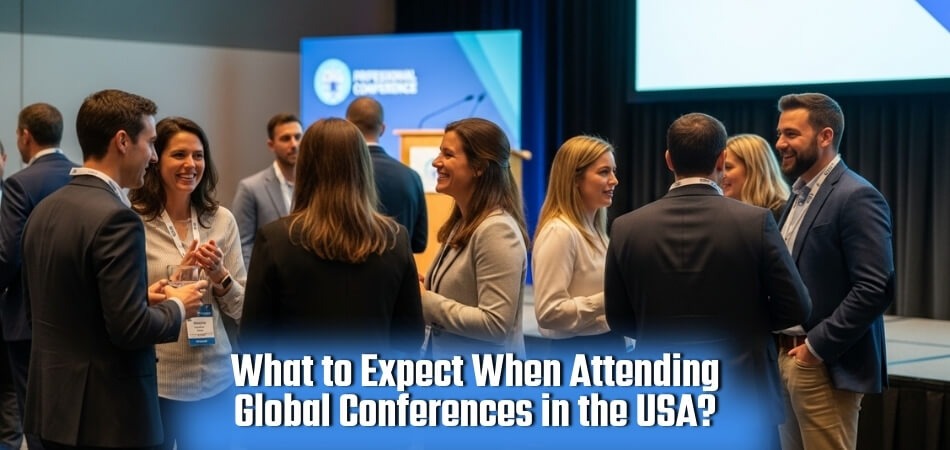
Networking sessions are a key part of what makes global conferences in the USA so valuable. These sessions allow attendees to connect with professionals, researchers, and industry experts from different parts of the world. Informal conversations during coffee breaks, receptions, or dedicated networking events often lead to meaningful professional relationships, mentorship opportunities, and discussions about future collaborations or career opportunities.
Collaboration Opportunities
Another important aspect of what to expect when attending conferences in the USA is the opportunity to collaborate with like-minded professionals. Conferences create an environment where people working on similar challenges can share ideas and explore potential partnerships. Many attendees discover opportunities for joint research, academic collaborations, business partnerships, or interdisciplinary projects that continue long after the conference ends.
Who Should Attend Global Conferences in the USA?
Global conferences in the USA attract participants from various professional and academic backgrounds. These events provide opportunities for learning, presenting ideas, networking, and building collaborations across industries and research communities.
| Attendee Type | Why They Attend |
| Researchers | Present findings and exchange ideas |
| Professors | Collaborate with international scholars |
| Graduate Students | Gain academic exposure and learning opportunities |
| Entrepreneurs | Discover innovations and partnerships |
| Professionals | Expand professional networks and industry insights |
By bringing together experts, emerging professionals, and innovators, global conferences in the USA encourage meaningful discussions, collaborative projects, and the exchange of ideas that drive progress across different fields.
What a Typical Conference Day Looks Like?
International conferences in the USA usually follow a structured schedule that combines learning sessions, networking opportunities, and collaborative discussions. Throughout the day, attendees move between keynote talks, presentations, workshops, and informal networking events that encourage knowledge sharing and professional connections.
Morning
Most conference days begin with essential activities that set the tone for the event.
- Registration: Attendees check in, collect badges, and receive conference materials.
- Keynote Session: Industry leaders or respected researchers deliver keynote speeches that introduce major themes of the conference.
- Networking Coffee: Informal coffee breaks allow participants to meet other attendees and start conversations.
Afternoon
The afternoon is typically focused on deeper learning and knowledge exchange.
| Activity | Purpose |
| Panel Discussions | Experts share perspectives and debate industry topics |
| Research Presentations | Scholars present findings and receive feedback |
| Workshops | Interactive sessions that build practical skills |
These sessions give participants the opportunity to explore specialized topics and engage directly with experts.
Evening
Evening sessions focus on building professional relationships in a relaxed environment.
- Networking Reception: Attendees connect with speakers, researchers, and industry professionals.
- Social Events: Many conferences organize dinners, meetups, or cultural activities that encourage informal conversations and collaboration.
These evening events often lead to meaningful professional connections and long-term partnerships.
Common Formats of Global Conferences
Global conferences include a variety of session formats designed to encourage knowledge sharing, discussion, and collaboration. These formats allow participants to learn from experts, present research, and actively engage with professionals from different fields. Below are some of the most common session types attendees typically experience during global conferences.
| Session Format | Purpose |
| Keynote Speeches | Provide insights from industry leaders and respected academics |
| Research Presentations | Share research findings and scholarly insights |
| Panel Discussions | Encourage expert discussions on industry trends |
| Workshops & Breakout Sessions | Offer interactive and practical learning experiences |
| Poster Sessions & Exhibitions | Display research visually and showcase innovations |
Networking Opportunities at Global Conferences
Networking is one of the most valuable aspects of attending international conferences in the USA. Beyond formal presentations and sessions, conferences create multiple environments where attendees can interact, exchange ideas, and build professional relationships. These interactions often lead to meaningful collaborations, career opportunities, and long-term professional connections. Here are the common networking environments:
Coffee Breaks
Coffee breaks are informal moments between sessions where attendees gather to relax and connect. These short breaks often spark spontaneous conversations with researchers, professionals, and speakers, making them a great opportunity to introduce yourself and exchange ideas.
Informal Discussions
Many valuable connections happen during casual conversations in hallways, lounges, or discussion areas. Attendees often continue discussions from presentations or explore shared interests, leading to deeper professional relationships.
Professional Meetups
Conferences frequently organize networking meetups or themed gatherings for participants working in similar fields. These meetups allow professionals to discuss current trends, challenges, and opportunities within their industries.
Collaborative Research Opportunities
Global conferences bring together experts and scholars from different institutions and countries. Through discussions and networking sessions, attendees may discover opportunities to collaborate on research projects, joint publications, or interdisciplinary initiatives that extend beyond the conference itself.
Social Events and Informal Gatherings
Beyond formal sessions and presentations, global conferences in the USA often include social events and informal gatherings that help participants connect in a relaxed and friendly environment. These activities give attendees the chance to continue conversations, build professional relationships, and experience the local culture of the host city. Here is a glimpse of what you’ll experience in social events and informal gatherings:
Welcome Receptions
Welcome receptions are usually held at the beginning of the conference to help attendees get acquainted with one another. These informal gatherings create a welcoming atmosphere where participants can introduce themselves, meet speakers, and start building professional connections before the main sessions begin.
Conference Dinners
Conference dinners provide a more relaxed setting for networking and meaningful discussions. Attendees often share meals with colleagues, researchers, and industry professionals, creating opportunities for deeper conversations that may lead to future collaborations or partnerships.
Cultural Events
Many conferences organize cultural activities to give international participants a taste of the host city’s traditions and lifestyle. These events may include local performances, exhibitions, or cultural showcases that help attendees experience the region while interacting with other participants.
City Tours Organized by the Conference
Some conferences arrange guided city tours that allow attendees to explore famous landmarks and attractions. These tours combine sightseeing with social interaction, giving participants the chance to connect with other attendees while discovering the culture and history of the conference destination.
Conference Etiquette and Professional Expectations
Attending international conferences in the USA involves more than just listening to presentations or networking with professionals. Participants are also expected to maintain professional conduct throughout the event. Following proper conference etiquette helps create a respectful environment where attendees can exchange ideas, ask questions, and build meaningful professional relationships.
| Professional Behavior | What It Means in Practice |
| Respectful Participation | Listening attentively and allowing speakers to finish their presentations without interruption |
| Thoughtful Questions | Asking clear, relevant questions that contribute to meaningful discussions |
| Engaging with Speakers | Showing appreciation for presentations and interacting respectfully during sessions |
| Professional Communication | Communicating politely and maintaining a professional tone during conversations and networking |
Respectful Participation
Respectful participation is a fundamental part of conference etiquette. Attendees should listen carefully during presentations, avoid distractions, and respect the viewpoints of others. This creates a positive atmosphere where speakers feel valued, and discussions remain constructive.
Asking Thoughtful Questions
Conferences often include question-and-answer sessions after presentations. Asking thoughtful questions not only helps clarify ideas but also encourages deeper discussions among participants. Well-prepared questions demonstrate genuine interest in the topic and contribute to a more engaging conference experience.
Engaging with Speakers
Interacting with speakers after their sessions is a valuable opportunity for learning and networking. Attendees can express appreciation for the presentation, ask follow-up questions, or discuss related topics. These interactions often lead to professional connections and further knowledge exchange.
Professional Communication
Maintaining professional communication is essential during conferences. Whether speaking with presenters, fellow attendees, or organizers, participants should communicate respectfully and clearly. Professional behavior helps build credibility, strengthens networking opportunities, and ensures a positive experience for everyone involved.
What to Bring When Attending a Global Conference?
Attending a global conference in the USA requires a few essential items to stay organized, connected, and prepared throughout the event. Bringing the right tools helps you take notes, share ideas, and build professional relationships while making the most of your conference experience. Here are some of the common things you bring to a global conference:
- Business Cards: Carry professional cards to introduce yourself quickly and share contact information with researchers, professionals, and potential collaborators. They make networking easier during coffee breaks, networking sessions, and informal discussions throughout the conference.
- Laptop or Tablet: Bring a lightweight device to review presentations, access conference materials, or manage schedules during sessions and workshops. It also helps you capture ideas quickly and stay connected with emails, research resources, and professional contacts.
- Notebook: Keep a small notebook for writing key insights, questions, and ideas shared during presentations and panel discussions. Taking quick notes helps you remember important points and organize information for future research or professional work.
- Research Materials: If you are presenting or discussing work, carry summaries, abstracts, or digital copies of your research projects. These materials help you explain your ideas clearly and support meaningful discussions with other researchers or experts.
- Phone Chargers or Power Banks: Conferences often involve long days, so keeping your devices charged is essential for staying connected. A portable charger ensures your phone or tablet remains powered during sessions, networking events, and travel between venues.
- Professional Attire: Wear comfortable yet professional clothing that reflects the formal environment of academic and professional conferences. Appropriate attire helps create a positive impression while networking with speakers, colleagues, and industry professionals.
Challenges First-Time Conference Attendees May Experience
Attending a global conference for the first time can be both exciting and challenging. With packed schedules, new professional environments, and opportunities to interact with experts, first-time attendees may face a few common difficulties. Understanding these challenges can help participants prepare better and make the conference experience more productive and enjoyable. Here are the common challenges first-time attendees face:
Feeling Overwhelmed by the Schedule
Conference programs often include multiple sessions happening at the same time, such as keynote talks, panel discussions, and workshops. First-time attendees may find it difficult to decide which sessions to prioritize. Planning a personal schedule in advance can help attendees focus on the sessions most relevant to their interests.
Networking Anxiety
Meeting new people and starting professional conversations can feel intimidating for some participants. Many attendees worry about how to introduce themselves or what to say during networking moments. However, conferences are designed to encourage interaction, and simple conversations during breaks or sessions often lead to meaningful professional connections.
Presenting Research for the First Time
For researchers and graduate students, presenting work at a conference for the first time can feel stressful. Standing in front of an audience and explaining research findings may cause nervousness. With proper preparation and practice, presenters often gain confidence and valuable feedback that helps improve their research.
Managing Multiple Sessions
With so many interesting presentations and discussions happening throughout the conference, attendees may try to attend too many sessions in one day. This can lead to fatigue and difficulty retaining information. Choosing a few key sessions and allowing time for breaks can help participants stay focused and fully benefit from the experience.
How to Make the Most of a Global Conference?
Attending a global conference can offer valuable learning, networking, and collaboration opportunities when approached with the right strategy. Preparing ahead, engaging actively, and building professional relationships help attendees gain more insights, connect with experts, and make the overall conference experience productive and rewarding. To maximize your conference experience, consider the following practical strategies:
- Plan Sessions Early: Review the conference agenda before the event and choose sessions that match your interests and professional goals. Planning early helps you avoid schedule conflicts and ensures you attend the most valuable presentations and discussions.
- Engage With Speakers: Take time to approach speakers after their sessions and thank them for sharing their knowledge and insights. Asking thoughtful follow-up questions can help you learn more and start meaningful professional conversations.
- Join Discussions Actively: Participate in question sessions or group discussions to share ideas and hear different perspectives from other attendees. Active participation improves learning and helps others recognize your interest in the topic.
- Build Meaningful Connections: Introduce yourself to fellow attendees during breaks, networking events, or informal gatherings throughout the conference. Building genuine connections can lead to collaborations, mentorship, and future professional opportunities.
- Follow Up Afterwards: Send short follow-up messages or connect on professional platforms after meeting new contacts during the conference. Following up helps strengthen relationships and keeps the conversation going beyond the event.
Applying these practical strategies can help attendees gain deeper insights, build valuable connections, and make the most of every opportunity offered during a global conference experience.
Benefits of Attending Global Conferences in the USA
Attending global conferences in the USA offers far more than a few days of presentations and networking. These events provide long-term professional value by connecting participants with global experts, new ideas, and collaborative opportunities. Over time, the experience can support both academic and career development.
| Benefit | How It Helps Attendees |
| Professional Growth | Improves skills, confidence, and professional knowledge |
| Knowledge Exchange | Encourages sharing of ideas and learning from global experts |
| Research Collaboration | Opens opportunities for joint research and projects |
| Career Advancement | Helps build networks that lead to new opportunities |
| International Exposure | Connects professionals with global communities |
Professional Growth
Attending global conferences helps professionals improve their expertise and stay informed about new developments in their field. Participants gain insights from expert presentations, discussions, and workshops that expand their understanding of emerging trends.
Key ways conferences support growth:
- learning from experienced speakers
- discovering new methods or technologies
- gaining fresh perspectives from international professionals
Knowledge Exchange
Global conferences create an environment where ideas, experiences, and research findings are shared openly among participants. Attendees learn from presentations, panel discussions, and conversations with experts from different backgrounds.
Common ways knowledge is exchanged include:
- research presentations and academic discussions
- industry case studies and expert talks
- informal conversations during networking sessions
Research Collaboration
One of the most valuable outcomes of attending global conferences is the opportunity to collaborate with other researchers and professionals. Conferences bring together individuals working on similar challenges, making it easier to explore partnerships.
Collaboration opportunities often include:
- joint research projects
- co-authored academic publications
- interdisciplinary research initiatives
Career Advancement
Conferences can significantly support career development by helping participants expand their professional networks and visibility. Meeting experts, employers, or industry leaders can open doors to new roles, projects, or partnerships.
Professionals may benefit from:
- mentorship opportunities
- industry connections
- invitations to collaborate on future work
International Exposure
Global conferences allow attendees to interact with professionals from different countries, cultures, and research communities. This exposure broadens perspectives and helps participants understand how challenges and innovations are approached worldwide.
International exposure can lead to:
- global research networks
- cross-cultural professional relationships
- opportunities to participate in international projects
Frequently Asked Questions
Many first-time attendees search for quick answers about global conferences before deciding to participate. The following FAQs address common questions people often look up online. These answers provide helpful insights about conference participation, expectations, and practical considerations for attendees.
How Long Do Global Conferences Usually Last?
Most global conferences in the USA typically last between two and three days. Larger conferences or specialized academic events may extend to four or five days depending on the number of sessions and activities scheduled.
Do You Need To Submit A Paper To Attend A Conference?
No, submitting a research paper is not always required to attend a conference. Many events allow participants to attend as listeners or observers without presenting research.
How Much Does It Cost To Attend A Global Conference In The USA?
Conference costs vary depending on the event, location, and registration type. Fees may range from a few hundred to over a thousand dollars, depending on the conference scale and included activities.
Can You Attend A Conference Without Academic Background?
Yes, many global conferences welcome professionals from different industries and backgrounds. Business leaders, entrepreneurs, and industry experts often attend conferences alongside researchers and academics.
Are Global Conferences Worth Attending For Networking?
Yes, conferences are one of the best environments for professional networking. Attendees can meet experts, researchers, and professionals who share similar interests and goals.
How Early Should You Register For A Conference?
It is usually recommended to register several weeks or months before the event. Early registration often offers discounted fees and ensures availability for popular sessions or workshops.
Do Conferences Provide Certificates Of Participation?
Many conferences provide certificates to attendees and presenters. These certificates can be useful for academic records, professional development, or documenting participation in international events.
Can Attendees Participate In Multiple Sessions During A Conference?
Yes, attendees can usually choose from multiple sessions throughout the conference. Participants often create personal schedules based on topics, speakers, or workshops that interest them most.
Final Thoughts
Attending international events can feel exciting, especially when you clearly understand what to expect when attending Global Conferences in the USA. From keynote talks and research presentations to networking sessions and collaborative discussions, these conferences offer valuable opportunities to learn, share ideas, and connect with professionals from around the world.
Whether you are a researcher, student, entrepreneur, or industry expert, global conferences can support your professional growth and expand your network. By preparing well and participating actively, you can turn every session, conversation, and collaboration into a meaningful step forward in your career.
You Also Like To Read: Business Casual for Women
About the Author
