What Does Contingent Mean on a House for Sale? | 2026 Home Buyer Guide
 Malina Joseph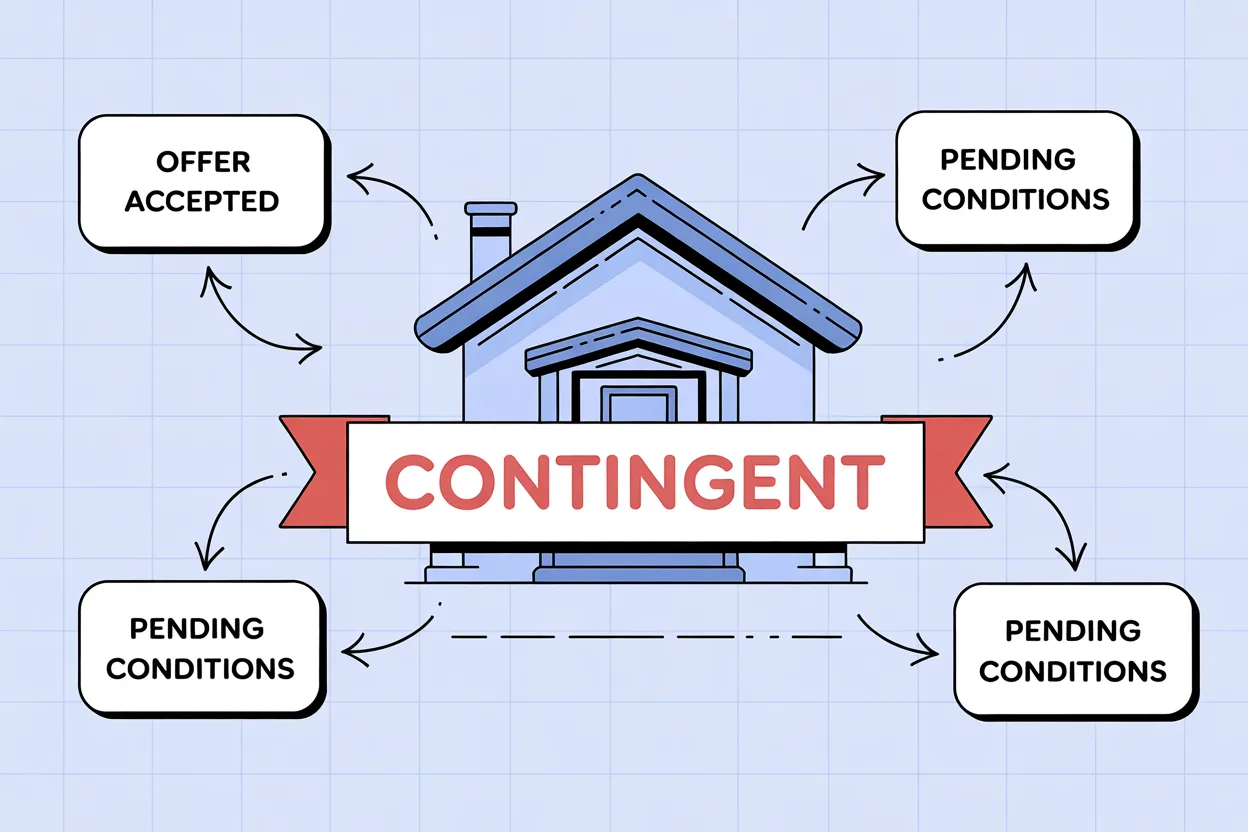
What Does Contingent Mean on a House for Sale
Finding your dream home is a huge milestone that brings so much joy to your life. When you look at local listings, you might wonder what does contingent mean on a house for sale and how it affects you. Simply put, a contingent status means the seller has accepted an offer from a buyer. However, the deal is not final yet because certain conditions must be met. These conditions act as a safety bridge for both parties involved.
A contingent status is very common in the USA housing market because it protects your hard-earned money. If you are a buyer, it gives you time to check the house for any hidden problems. For a seller, it shows that a buyer is truly serious about moving forward. Understanding this term is the first step toward a successful and stress-free home purchase. Let’s dive deep into every detail you need to know about this important topic.
The Basic Meaning of a Contingent Listing
When a property is marked as contingent, the seller has stopped looking for new primary buyers. They have a signed contract with someone, but that contract has “if-then” rules attached to it. For example, the buyer says, “I will buy this house if my bank approves my loan.” If that condition is not met, the deal can be canceled easily. This status keeps the house in a waiting period while professionals check everything out.
Key Points About Contingent Status:
- The seller has accepted a formal offer from a potential buyer.
- The house is technically “under contract” but not yet “sold.”
- Specific requirements must be satisfied within a set timeframe.
- If requirements are not met, the house goes back on the market.
- It protects the buyer’s earnest money deposit from being lost.
- Most real estate websites will show this label clearly to users.
Why Real Estate Contingencies are Important
Contingencies are like a protective shield for your bank account and your future home. Without them, buying a house would be a very risky gamble for most families. They ensure that you don’t get stuck with a broken house or a loan you can’t afford. These clauses give everyone a “way out” if something unexpected happens during the process. It creates a fair environment where both the buyer and seller feel safe.
Why Buyers Love Them:
- Safety Net: You can walk away if the house has major mold or structural issues.
- Money Protection: You get your deposit back if the bank denies your mortgage.
- Time to Think: It gives you a few weeks to finalize your big life decisions.
- Price Check: It ensures you are not paying more than the home is worth.
Common Types of Real Estate Contingencies
There are several different types of conditions that can be part of a home sale contract. Each one covers a specific area of the deal, from the roof of the house to the money in the bank. When people ask what does contingent mean on a house for sale, they are usually referring to these specific rules. Most contracts include at least three or four of these to keep things moving smoothly.
1. The Home Inspection Contingency
This is perhaps the most famous and important rule in any real estate deal. It allows a professional expert to walk through the home and look for any damage. They check the electrical wires, the plumbing pipes, and the foundation for cracks. If the house has a huge problem, you can ask the seller to fix it for free. If they refuse, you can cancel the deal and keep your money.
2. The Appraisal Contingency
Lenders want to make sure the home is worth the price you are paying for it. An appraiser will look at the house and compare it to other homes that sold nearby. If the appraiser says the home is worth $300,000 but you offered $320,000, there is a problem. This contingency lets you renegotiate the price with the seller. It prevents you from starting your homeownership journey with a huge debt.
3. The Financing Contingency
Most people need a mortgage to buy a home, and banks can be very picky. Even if you are pre-approved, the bank still needs to do a final check of your taxes and income. A financing contingency gives you about 21 to 30 days to get your loan fully finished. If the bank says “no” at the last minute, you aren’t legally forced to buy the house. This is a vital protection for every middle-class family.
4. The Title Contingency
Before you own a home, a title company checks public records to ensure the seller is the true owner. They look for old debts, unpaid taxes, or legal fights attached to the property. A title contingency ensures that you receive a “clear title” when you close the deal. You don’t want to buy a house and find out later that someone else owns it. This step provides total peace of mind.
Comparing Contingent vs. Pending Status
Many people get confused between “contingent” and “pending” when they are browsing online. While they both mean an offer was accepted, the “pending” status is much closer to the finish line. A contingent home still has hurdles to jump over, like inspections or bank approvals. A pending home has usually finished all those steps and is just waiting for the final paperwork. It is much harder to buy a pending home.
Comparison Table: Contingent vs. Pending
| Feature | Contingent Status | Pending Status |
| Probability of Sale | About 75% to 80% | Over 95% |
| Backups Allowed? | Yes, very common | Rare, but possible |
| Home Showings | Often still allowed | Usually stopped |
| Active Hurdles | Inspections/Appraisals | Paperwork only |
| Average Time | 15 to 30 days | 7 to 14 days |
The “House Sale” Contingency Explained
Sometimes, a buyer needs to sell their current house before they can afford to buy a new one. This is a very specific type of condition that can be tricky for sellers to accept. It means the deal only happens if a third person buys the buyer’s old home first. If the buyer’s home doesn’t sell, the whole chain of deals might fall apart. It requires a lot of patience and very good timing from everyone.
Pros and Cons of House Sale Contingencies:
- Pro for Buyer: You don’t have to pay two mortgages at the same time.
- Pro for Seller: You might get a higher price for being so patient.
- Con for Buyer: Sellers might pick a different offer that doesn’t have this rule.
- Con for Seller: The house could stay off the market for a long time.
Can You Still Make an Offer on a Contingent House?
A very common question is whether you can bid on a house that already has an offer. The answer is a big “Yes!” Most sellers are happy to take a “backup offer” just in case. If the first buyer’s loan is rejected or they get scared after the inspection, the seller can call you. Being the second person in line is a smart way to get a great house in a busy market.
Steps to Submit a Backup Offer:
- Talk to your agent: Tell them you love the house even though it is contingent.
- Check the status: Find out which contingencies are currently being worked on.
- Submit your bid: Write a strong offer that might tempt the seller to wait for you.
- Stay patient: You have to wait for the first deal to fail before you can move in.
- Keep looking: Don’t stop your search just because you have a backup offer.
How the “Kick-Out Clause” Works
Sellers often feel nervous about waiting for a buyer to sell their old home. To protect themselves, they might add a “kick-out clause” to the contract. This allows the seller to keep showing the house to other people. If they get a better offer without any conditions, they can tell the first buyer to “kick out.” The first buyer then has 48 hours to either remove their conditions or walk away.
Why Sellers Use Kick-Out Clauses:
- It keeps the pressure on the buyer to move fast and be serious.
- It ensures the seller doesn’t miss out on a better, faster cash offer.
- It provides a safety net if the first buyer’s house takes too long to sell.
- It allows the property to stay active in the minds of other local buyers.
What Causes a Contingent Deal to Fail?
While most deals eventually close, some do fall apart during the waiting period. This is why knowing what does contingent mean on a house for sale is so useful for backup buyers. The most common reason for failure is a bad home inspection report. If the house has thousands of dollars in repairs needed, many buyers will get cold feet. Another common reason is a buyer losing their job or having a credit score drop.
Reasons Deals Fall Through:
- Low Appraisal: The bank refuses to lend the full amount of the sale price.
- Major Repairs: The inspector found termites, mold, or a bad roof.
- Finance Issues: The buyer’s mortgage was denied at the very last second.
- Title Clouds: A legal issue was found that prevents the sale of the land.
- Change of Heart: The buyer simply decided they didn’t like the neighborhood.
Real Estate Status Timeline Table
To help you understand the flow of a sale, look at this simple timeline. It shows how a house moves from being “Active” to being “Sold” in the American market. Every house follows this path, though the speed can change depending on the city.
| Step | Status Name | What is happening? |
| 1 | Active | House is on the market for anyone to see. |
| 2 | Contingent | An offer is accepted; checks are being done. |
| 3 | Pending | All checks are done; waiting for the big day. |
| 4 | Sold | Keys are handed over; the house has a new owner. |
Tips for Navigating a Contingent Purchase
If you are buying a home that is contingent, you need to stay organized and calm. Make sure you have all your bank papers ready so you don’t miss any deadlines. Work closely with a local real estate agent who knows the rules in your specific state. They can help you write a contract that protects your family while still being attractive to the seller. Good communication is the secret to winning your dream home.
Your Success Checklist:
- [ ] Get a full pre-approval letter from a trusted local bank.
- [ ] Hire a highly-rated home inspector with great online reviews.
- [ ] Keep your credit card spending low during the waiting period.
- [ ] Respond to your real estate agent’s emails within a few hours.
- [ ] Always have a backup plan in case the deal falls through.
The Financial Side: Earnest Money Deposits
When you make a contingent offer, you usually give the seller some “earnest money.” This is like a small deposit that proves you are a serious person. If you back out for a reason covered by your contingencies, you get every penny back. However, if you just change your mind for no reason, the seller might keep that money. It is a way to make sure everyone plays by the rules during the sale.
Frequently Asked Questions (FAQ)
1. Can a seller take another offer while contingent?
Yes, a seller can accept backup offers, but they cannot cancel the first contract just because they found a better one. They must wait for the first deal to fail on its own first.
2. Is contingent better than pending for a buyer?
If you are looking for a house, “contingent” is much better. It means there is still a chance the house will become available again if the current buyer’s plans fail.
3. Does a contingent house still show up on Zillow?
Yes, most websites like Zillow or Realtor.com will show contingent houses. They usually have a small yellow or orange label to let you know a deal is in progress.
4. How long does the inspection period usually last?
In most states, the inspection period lasts between 7 and 10 days. This is enough time to find an expert and get a full report back on the home’s condition.
5. Can I visit a house that is marked as contingent?
Many times, the answer is yes! Sellers want backup buyers, so they often keep the house open for tours. You should ask your agent to call the seller’s agent to check.
6. What if the house appraises for more than the price?
This is great news for the buyer! It means you are getting a deal and starting with “instant equity.” The seller cannot raise the price just because the appraisal was high.
Conclusion: Take Action on Your Dream Home
Understanding what does contingent mean on a house for sale gives you the power to make smart moves. It takes the mystery out of those online listings and helps you plan your next steps with total confidence. Whether you are protecting your own interests or waiting for a backup chance, knowledge is your best friend. The real estate market moves fast, but now you have the tools to keep up and win.
About the Author
