 Malina Joseph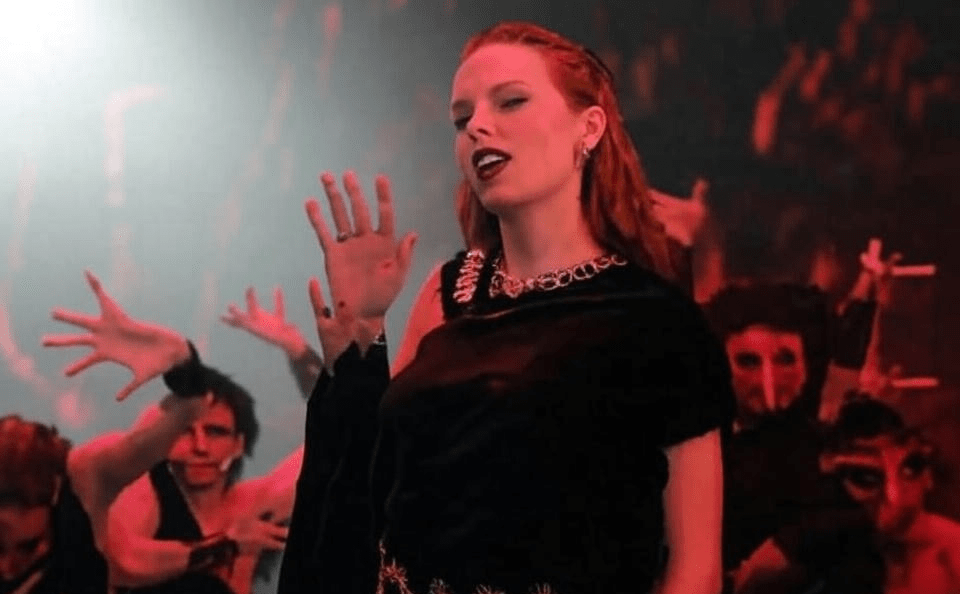
Taylor Swift demonic
Introduction Taylor Swift demonic
People online sometimes say wild things. One claim says Taylor Swift demonic. Fans and critics have both seen strange images and clips. Some posts call her concerts and outfits “demonic.” Other posts say the claims are fake or taken out of context. In this article I explain where the claims come from. I show what is real and what is false. I use clear language so anyone can follow. I will also give examples and trusted checks. Read on to learn the facts and how to judge similar claims yourself.
Where the “Taylor Swift demonic” idea started
People noticed certain photos and short videos. Some clips show dramatic lighting, horns, or fast edits. These visuals looked spooky to some viewers. Other posts pointed to outfits or stage props and called them occult or satanic. Often these posts spread on social media and in fringe forums. A few public figures reinforced the idea in interviews. Still, many news outlets and fact-checkers found no proof of real satanic rituals. Most strong claims trace back to viral posts rather than solid evidence. When big stories spread, fact-check sites step in to verify them.
Famous viral moments behind the rumor
A short clip of a hand gesture went viral. Some people said it was a “satanic hand sign.” Others pointed out it looks like the American Sign Language sign for “I love you.” Videos can mislead when they are out of context. Also, edited or AI-generated images have been shared widely. These fake images show her with horns or in front of pentagrams. Fact-checkers flagged many such images as false. Remember: a dramatic clip on social media is not proof. Always look for reputable sources.
Concert staging vs. “demonic” rituals
Big pop shows use strong visuals. Lights, smoke, choreographed dancers, and dramatic costumes are normal. Artists borrow images from films, myths, and art. When a scene looks like “witchcraft” or “devils,” it may be a creative choice. Taylor Swift’s tours mix many eras and themes. Designers aim for mood and story. That does not mean the performer is performing rituals. Critics and fact-checkers urge care before leaping from stage drama to claims of real-world occult practice.
Are there real photos or videos of Taylor Swift showing demonic symbols?
Some images circulated with scary captions. But many of those images are AI edits or misattributed photos. Newsrooms and fact-check sites found doctored images and false claims. Where real photos exist, they usually show costumes, props, or stylized art. These are not proof of actual belief or ritual practice. When a claim seems extreme, check trusted fact-checks and established news outlets first.
What experts and fact-checkers say
Professional fact-checkers examined the viral claims. They found no evidence of satanic rituals in Swift’s shows or songs. Journalists who cover pop culture note the same. Some writers point out the gossip comes from social media echo chambers. Others warn that people interpret symbols differently across cultures. The bottom line from experts: dramatic visuals are not the same as proof of occult practice. Always weigh claims against reliable reporting.
Why this rumor spreads so fast
Online rumors grow fast for simple reasons. Fans and critics both share shocking clips. Many people enjoy dramatic stories. Algorithms push viral posts. Also, single frames can be cropped to look worse. AI image tools make fake photos easy to create. Once a claim is repeated, more people accept it. That is why educated skepticism matters. Look for original context, longer video clips, and trusted sources.
What Taylor Swift herself has said or shown about faith and image
Taylor Swift has publicly mentioned being raised Christian. Her public image has included many styles and symbols. Artists often play with many looks as part of storytelling. That does not equal a public declaration of occult belief. When assessing claims about a person’s religion or beliefs, use their own words and trusted interviews first. Avoid treating staged looks as proof of spiritual practice.
Real examples people point to — and how to read them
Fans and critics point to songs, dress, and choreography. For example, some music videos use witchy themes or folklore motifs. In other cases, lyrics use metaphor. Art often borrows from myths to tell emotional stories. A “witch” in a song can be a metaphor for power, pain, or gossip. Read lyrics and visuals in context. Ask: is this literal worship, or is it a creative image? Most evidence points to the latter.
The role of AI images and edited videos
AI tools have grown more advanced. People now create realistic fake images and clips. Some fake images show Taylor with horns or occult symbols. Fact-checkers flagged many of these fakes. When a photo looks shocking, check whether a trusted outlet reported it. If not, treat it with caution. AI makes checking sources more important than ever.
How to check similar claims yourself
Be a smart consumer of content. First, look for full video or audio. Second, search reputable sites and fact-check pages. Third, check the image source and reverse image search. Fourth, read multiple reliable articles before believing a headline. If big outlets like Forbes or Poynter debunk a viral post, that matters. Use those steps to guard against misinformation and panic.
Why thoughtful conversation matters here
Claims that a public figure is “demonic” can harm real people. They can fuel harassment and spread fear. We should aim to discuss such claims calmly. Use facts, not fear. If you disagree with an artist’s style, explain why without naming them evil. Civil talk helps everyone learn and correct mistakes when new facts appear. Good conversations lower the chance of unfair attacks.
Conclusion
The short answer is: the claim that Taylor Swift demonic is a social-media rumor, not proven fact. Viral clips, dramatic staging, AI images, and cultural misreads fuel the story. Multiple fact-checks and news articles find no evidence of real satanic rituals. If you see the claim pop up again, check trusted sources first. If you want, come back here and I will help check any new image or clip you find. Stay curious, and think twice before sharing shocking claims.
FAQs
Q1 — Is Taylor Swift a Satanist?
No credible evidence supports that claim. Media fact-checkers checked viral posts and found no proof of real satanic practice. Most items are edits, out-of-context clips, or artistic stagecraft.
Q2 — Why do people say “Taylor Swift demonic” after concerts?
Concerts use bold visuals. Some fans read symbols differently. Short clips or images can be misleading. Viral sharing amplifies the most shocking parts, which makes the rumor spread.
Q3 — Are any images of Taylor Swift with horns real?
Fact-checkers found many such images to be AI edits or fakes. Always check the original source. Trusted outlets often report when an image is doctored.
Q4 — Could stage props be mistaken for occult symbols?
Yes. Designers use symbols for mood. A pentagram or horns on stage may be pure design. Context and intent matter. Designers borrow from many visual traditions.
Q5 — Where can I find reliable checks on this topic?
Look to established fact-checkers and major news outlets. Poynter, AAP FactCheck, Forbes, and similar sites often verify viral claims. They explain how a claim was judged.
Q6 — What should I do if I see a new “demonic” claim online?
Pause before sharing. Search for the full video or source. Do a reverse image search. Check fact-check sites. If nothing reliable supports the claim, treat it as unverified. Ask questions instead of spreading alarm.
About the Author
