 Malina Joseph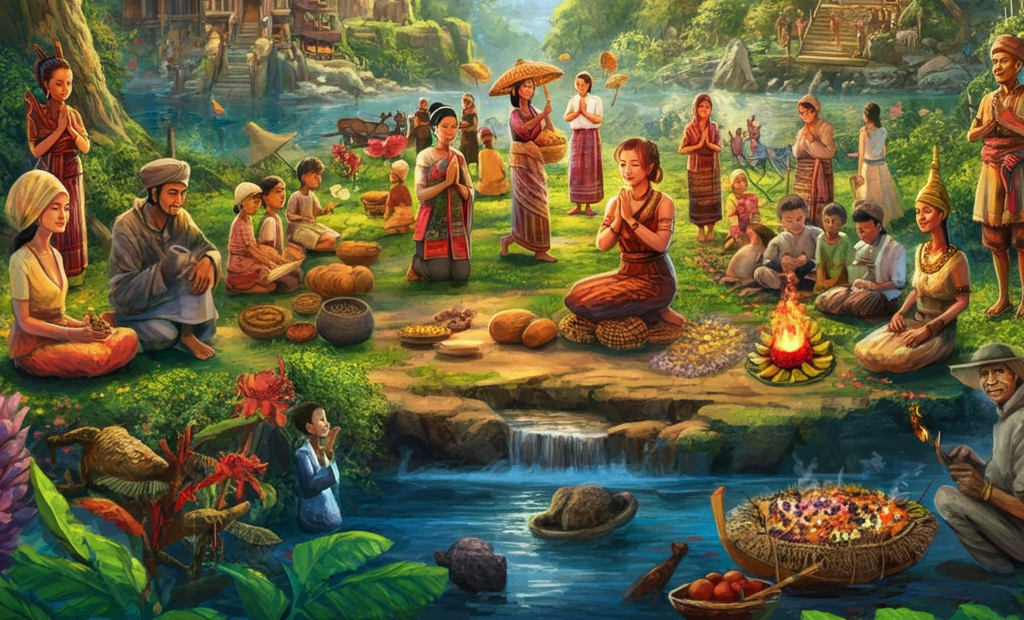
Panorama of World Alaikas
The concept of “Alaikas” offers a fascinating glimpse into the shared values that connect diverse cultures. This term, and its many variations, represents a beautiful thread woven through the tapestry of human interaction, often symbolizing peace, respect, and spiritual connection. Exploring the panorama of world alaikas allows us to appreciate how different societies express these core principles, linking us all in a shared story of humanity.
This journey will take you through the origins, meanings, and expressions of alaikas across the globe. You will discover their historical roots, see how they are practiced today, and understand why preserving these traditions is so important for our collective future.
Understanding the Term “Alaika”
At its heart, “Alaika” is a word filled with warmth and significance. While its exact pronunciation and application vary, the term generally conveys a message of goodwill, blessing, or profound respect. It is more than just a word; it is an offering of peace from one person to another. When we look at the panorama of world alaikas, we are not seeing a single definition but a spectrum of meanings shaped by local customs, languages, and beliefs.
In some cultures, an alaika is a formal greeting, reserved for elders or honored guests. In others, it is a spiritual phrase used in prayer or meditation to foster a sense of inner peace and connection to the divine. Despite these differences, the underlying theme of connection remains constant—a connection between individuals, communities, and even the spiritual realm.
Historical and Cultural Background
The roots of alaikas stretch far back into history, appearing in ancient texts, oral traditions, and sacred rituals across continents. Their origins are as diverse as the cultures that embrace them, with each tradition adding a unique layer to their global significance.
In many parts of Asia and the Middle East, variations of the term are found in religious scriptures and classical poetry, where they signify divine grace and unity. In certain African communities, the concept is expressed through rhythmic chants and ceremonial songs, used to honor ancestors and strengthen community bonds.
These historical uses demonstrate that alaikas have long been a tool for fostering harmony and expressing shared values. As these traditions were passed down through generations, they evolved, yet they retained their core purpose of bringing people together.
The Global Panorama of Alaikas
The true beauty of the panorama of world alaikas is revealed when we view it from a global perspective. From the bustling markets of North Africa to the serene temples of Southeast Asia, the spirit of alaika manifests in countless forms. This diversity creates a rich and vibrant cultural mosaic.
The table below offers a glimpse into how different regions interpret and express this powerful concept:
| Region | Common Form of Alaika | Cultural Significance |
|---|---|---|
| Middle East | Spoken phrase in greetings and blessings | Represents spiritual peace and mutual respect. |
| South Asia | A respectful gesture or verbal greeting | Signifies honor, goodwill, and hospitality. |
| Africa | Rhythmic chant or communal song | Used to connect with ancestors and unify the community. |
| Southeast Asia | A term used in spiritual or meditative practices | Fosters inner harmony and connection to nature. |
| The Americas | Incorporated into diaspora art and music | A blend of ancestral heritage and modern identity. |
This global view shows that while the methods of expression may differ, the fundamental human desire for peace, respect, and connection is universal. Each alaika is a unique cultural gem that contributes to a shared global heritage.
Why Explore the Panorama of World Alaikas?
Taking the time to explore the panorama of world alaikas offers more than just an interesting cultural lesson; it fosters a deeper sense of empathy and global understanding. In a world that often focuses on differences, alaikas remind us of our shared humanity. Learning about these traditions helps us appreciate the diversity of human expression while recognizing the common values that unite us.
For travelers, understanding local alaikas can be a key to unlocking more meaningful interactions and showing respect for local customs. For artists and musicians, the sounds and symbols associated with alaikas can provide a deep well of inspiration. For anyone interested in human history and culture, studying alaikas reveals a rich field of language, symbolism, and social connection.
Experiencing Alaikas
You can experience the panorama of world alaikas in many ways, whether through travel or from the comfort of your home. If you have the opportunity to visit regions where these traditions are practiced, you can gain a firsthand appreciation for their beauty.
Here are a few tips for respectfully experiencing alaikas:
- Observe and Listen: Pay attention to how local people interact. A simple act of observation can teach you a lot about their customs.
- Learn a Few Words: Attempting to use a local greeting, even if imperfectly, is often seen as a sign of respect and can lead to warmer interactions.
- Engage Local Guides: Knowledgeable guides can provide valuable context and ensure you are participating in cultural exchanges in a respectful manner.
If travel is not an option, you can still explore this fascinating topic. Documentaries, world music albums, and online cultural archives offer wonderful windows into these traditions. Virtual museum tours and digital libraries make it easier than ever to discover the global expressions of alaikas.
Challenges and Future of Alaikas
Like many ancient traditions, some forms of alaikas are at risk of disappearing. The pressures of globalization, the migration of younger generations, and the decline of native languages all pose a threat. As modern phrases and digital communication become more common, the traditional expressions that have connected communities for centuries can begin to fade.
Fortunately, there is a growing movement to preserve these invaluable cultural assets.
- Digital Archives: Researchers and cultural institutions are creating digital records of oral traditions, songs, and greetings to preserve them for future generations.
- Cultural Festivals: Events that celebrate traditional music, dance, and language help keep these practices alive and introduce them to new audiences.
- Educational Programs: Communities are developing initiatives to teach younger members about their heritage, ensuring that these traditions continue to thrive.
Through these efforts, the panorama of world alaikas can not only be preserved but also revitalized, continuing to evolve and inspire in a modern context.
Conclusion
The panorama of world alaikas is a powerful testament to the enduring human spirit of connection and peace. Each greeting, chant, and blessing is a thread in a global tapestry that tells a story of shared values across different cultures.
By taking the time to learn about and appreciate these traditions, we not only honor the past but also build bridges of understanding for the future. The simple act of expressing respect can connect worlds, and the alaika is a perfect embodiment of that truth.
Frequently Asked Questions (FAQs)
1. What does “Alaika” mean?
The term “Alaika” generally translates to a message of peace, respect, or a spiritual blessing, depending on the cultural context. It embodies goodwill and connection.
2. Where are alaikas commonly found?
Alaikas are most prominent in traditions across Asia, Africa, and the Middle East. They can be found in daily greetings, religious ceremonies, and artistic expressions.
3. Why is it important to learn about the panorama of world alaikas?
Understanding the panorama of world alaikas helps foster cultural appreciation and highlights the shared human values of respect and unity. It is a way to celebrate diversity while recognizing our common ground.
4. How are alaikas being preserved?
Preservation efforts include digital documentation by researchers, cultural festivals that showcase these traditions, and community-led educational programs designed to pass this heritage to younger generations.
About the Author
