The Ultimate Guide to Kitchen Islands: Ideas, Tips, and Seating Solutions
 Malina Joseph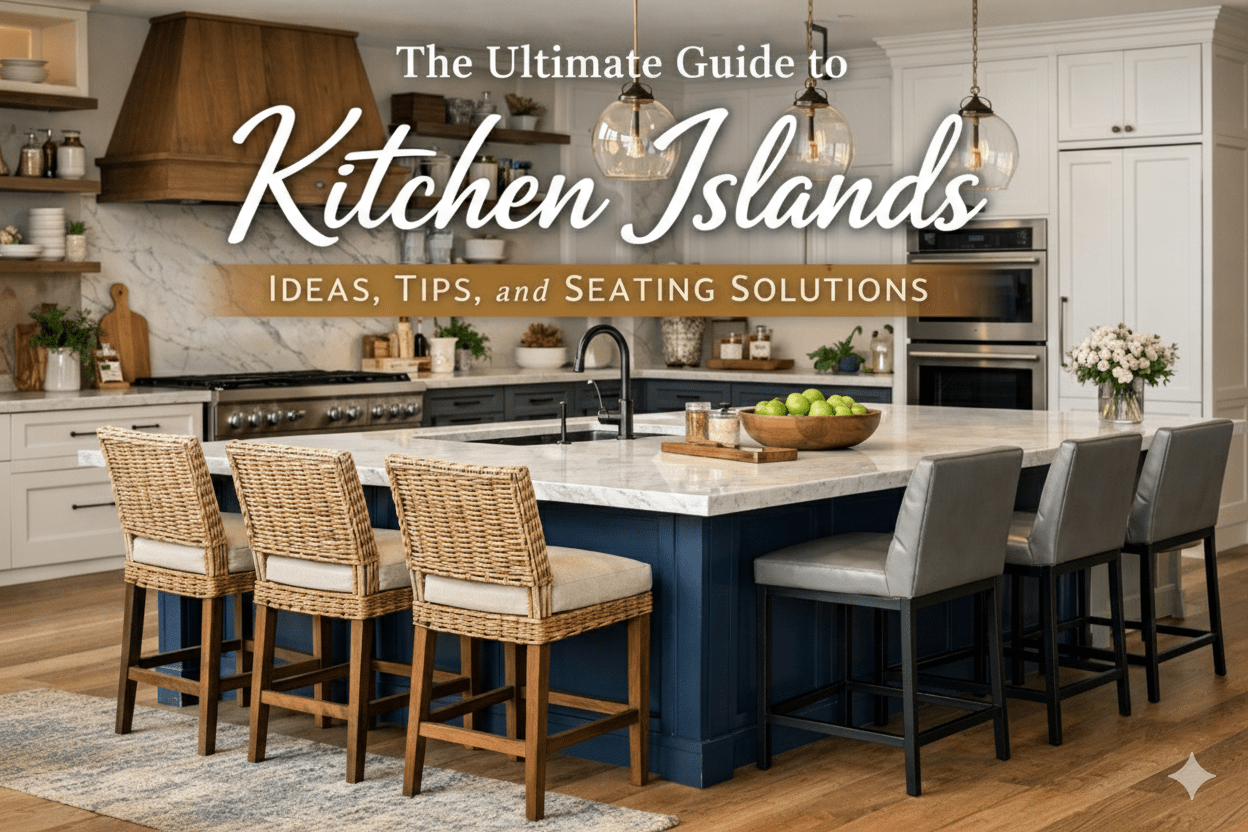
Kitchen Islands
A kitchen island is more than just a countertop in the center of your kitchen. It’s a multifunctional hub that combines style, storage, and functionality. Whether you have a small kitchen or a spacious open layout, a kitchen island can transform your cooking and dining experience. From casual breakfasts to family gatherings, it’s a perfect blend of design and practicality. In this guide, we’ll explore various kitchen island ideas, seating options, and tips to make the most of this versatile feature.
What is a Kitchen Island?
A Kitchen Islands is a freestanding counter placed in the center of a kitchen. Unlike traditional countertops attached to walls, islands are accessible from all sides. They often include storage cabinets, drawers, and even appliances like sinks or cooktops. Many homeowners use islands as extra prep space, a dining area, or even a workstation for homework and projects.
The key is to design an island that complements the kitchen layout and enhances both function and flow.
Professional Kitchen Island Styles
| Island Type | Materials | Features | Best For | Pros | Cons |
|---|---|---|---|---|---|
| Standard Island | Wood, Granite, Quartz | Extra counter space, storage | Medium to large kitchens | Simple, functional | Needs space |
| Island with Seating | Wood, Marble, Laminate | Bar stools, breakfast counter | Family meals, casual dining | Social interaction | Bulky footprint |
| Portable Island | Wood, Metal | Wheels, compact storage | Small kitchens | Space-saving | Small size |
| With Appliances | Quartz, Granite, SS | Sink, cooktop, dishwasher | Cooking-focused | Multitasking | Complex setup |
| Two-Tier Island | Wood, Marble, Quartz | Raised bar + prep area | Entertaining | Separates dining | Very bulky |
| L-Shaped Island | Wood, Concrete, Quartz | Extended counter, storage | Open layouts | Max space | Hard to fit |
| Compact Island | Wood, Laminate | Slim counter, small storage | Galley kitchens | Efficient | Limited use |
| Butcher Block | Solid Wood | Thick wooden top | Prep-heavy | Durable look | High maintenance |
| Marble / Stone | Marble, Quartz | Sleek surface, storage | Modern kitchens | Heat resistant | Expensive |
Benefits of a Kitchen Island
Adding a kitchen island offers many advantages. First, it increases counter space, which is ideal for meal preparation. Second, it provides extra storage for pots, pans, and utensils. Third, it can serve as a casual dining spot with kitchen island seating. Finally, islands add style, making your kitchen look more organized and inviting.
A well-designed island can also become a social hub. Friends and family can gather around while you cook, turning meal prep into a shared experience. Some islands even include built-in wine racks, trash bins, or book shelves, making them functional and beautiful at the same time.
Choosing the Right Size for Your Kitchen Island
The size of your kitchen island depends on the available space. As a general rule, leave at least 36-48 inches of clearance around the island. This ensures easy movement and access to cabinets and appliances.
If you have a small kitchen, consider a narrow or portable island. For larger kitchens, a bigger island can include seating and additional storage. Think about how many people will use it daily and whether you want features like a sink, stove, or wine fridge built-in. Proper sizing ensures your kitchen remains comfortable and functional.
Kitchen Island with Seating: Making Mealtime Casual
One of the most popular features is kitchen island seating. Adding bar stools or chairs turns your island into a breakfast bar or casual dining area. It’s perfect for quick meals, coffee breaks, or chatting while cooking.
When planning seating, leave at least 24 inches per person for elbow room. Counter height is typically 36 inches, while bar height is around 42 inches. Materials like wood, metal, or cushioned seats can match your kitchen’s style. Seating can be built-in or flexible, depending on your space and preference.
Materials and Styles for Kitchen Islands
Choosing the right material is essential for both aesthetics and durability. Popular options include:
- Wood: Warm, classic, and ideal for traditional kitchens.
- Marble: Luxurious but requires more maintenance.
- Concrete: Modern and industrial, offering a unique look.
Styles vary from sleek, modern designs to rustic farmhouse charm. You can mix materials too—for example, a wooden base with a marble countertop. The right combination makes your kitchen island both functional and a design statement.
Kitchen Island Ideas for Small Spaces
Even small kitchens can benefit from an island. Compact or rolling islands are perfect for tight spaces. Some ideas include:
- Portable carts: Move them around as needed.
- Narrow islands: Offer counter space without crowding the kitchen.
- Foldable or extendable surfaces: Expand when you need extra space.
Adding storage drawers underneath a small island maximizes utility. Even a compact island can serve as a cooking station, dining area, or homework space.
Integrating Appliances into Your Kitchen Island
This makes cooking more efficient and reduces traffic around other countertops.
For example, adding a sink allows for a central prep station. A built-in stove can make the island the main cooking hub. Always plan for proper ventilation and electrical access when adding appliances to ensure safety and functionality.
Lighting Ideas for Your Kitchen Island
Lighting is key for both functionality and ambiance. Pendant lights over the island add style and focus light where needed. Recessed ceiling lights or under-counter LED strips can also brighten the workspace.
Choose fixtures that match your kitchen’s theme. For example, rustic kitchens pair well with metal lantern-style pendants, while modern kitchens look great with sleek glass or chrome designs. Proper lighting makes your kitchen island both beautiful and practical.
Storage Solutions in Kitchen Islands
Storage is a major benefit of having a kitchen island. Include cabinets, drawers, and shelves to organize your kitchen essentials. Some ideas:
- Pull-out spice racks or trash bins.
- Built-in wine racks or book shelves.
- Deep drawers for pots and pans.
Effective storage reduces clutter and keeps your kitchen tidy. A well-designed island ensures everything is within reach, making cooking and entertaining easier.
Color and Design Tips for Your Kitchen Island
The island’s color can make it a centerpiece. Contrasting colors with cabinets create a striking look, while matching tones offer a cohesive style. Consider:
- Bold colors like navy or forest green for a statement piece.
- White or neutral tones for a timeless and bright feel.
- Two-tone islands with different countertop and base colors for visual interest.
Decorative accents like open shelving, carved panels, or patterned tiles can add personality to your kitchen island.
Kitchen Island Ideas for Entertaining
A kitchen island is perfect for hosting. Use it as a serving station for parties or a casual hangout area. Adding seating, a wine cooler, or even a mini-fridge makes it ideal for entertaining.
Islands encourage social interaction. While you cook, guests can sit, chat, and even help prepare snacks. A well-designed island becomes the heart of your kitchen and a hub for memories.
FAQs About Kitchen Islands
1. How much space do I need around a kitchen island?
Leave at least 36-48 inches for comfortable movement and access to cabinets.
2. Can a small kitchen have a kitchen island?
Yes! Use narrow, rolling, or foldable islands to maximize space without crowding.
3. What materials are best for kitchen islands?
Granite, quartz, wood, marble, and concrete are popular choices depending on style and durability needs.
4. Can I add seating to a kitchen island?
Absolutely! Bar stools or chairs can make it a casual dining or breakfast area.
5. Should I include appliances in my island?
Optional, but sinks, cooktops, and dishwashers can enhance functionality if planned properly.
6. How do I choose the right kitchen island style?
Consider your kitchen’s size, layout, color scheme, and your lifestyle needs for cooking, storage, and entertaining.
Conclusion
A kitchen island is more than just a countertop—it’s a versatile centerpiece for cooking, dining, storage, and entertaining. From kitchen island ideas for small spaces to islands with seating, appliances, and stylish designs, there’s a solution for every home. By carefully planning size, materials, lighting, and layout, you can create an island that’s functional, beautiful, and welcoming.
You May Also Like To Read: Business Casual for Women: The Ultimate Guide to Effortless Office Style
About the Author
