Have you ever seen the code cid10g43 on your medical chart and wondered what it meant? It can look like a confusing mix of letters and numbers. But this simple code is actually very important for your health. It tells doctors that you have a condition called migraine. This isn’t just a bad headache. It’s a real neurological disease that can cause intense pain and other symptoms.
Understanding what cid10g43 means is the first step toward getting the right help. This code helps doctors all over the world speak the same language about your condition. It ensures you get the correct treatment, helps with insurance, and even aids researchers working on new cures. If you or someone you love deals with migraines, learning about cid10g43 can empower you to take control of your health journey and find real relief.
What Is CID10G43 and Why Does It Matter?
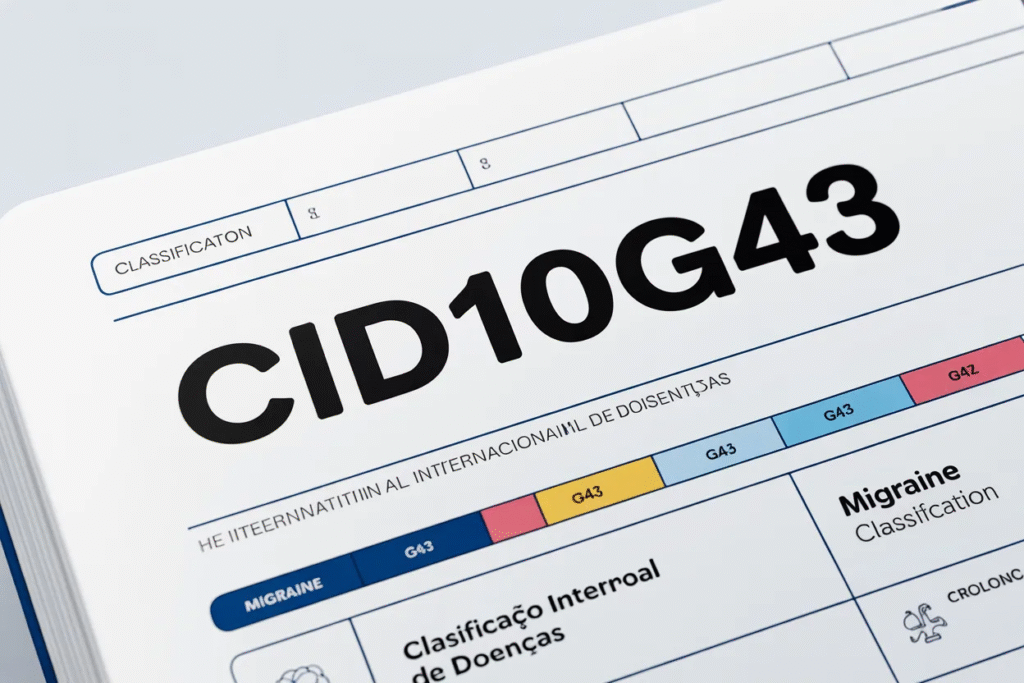
The code cid10g43 is part of a giant medical book called the International Classification of Diseases, 10th Revision, or ICD-10. Think of it as a dictionary for doctors. It gives a unique code to every health condition, from a common cold to a complex disease. The “CID” part is just the Portuguese name for this system, “Classificação Internacional de Doenças.” The important part is “G43,” which is the specific section for migraines.
When a doctor puts cid10g43 in your file, they are officially diagnosing you with migraine. This is a big deal. It separates your condition from other types of headaches, like tension headaches. This official diagnosis is key to getting the specialized care you need. It helps ensure your insurance company will cover your treatments, which can sometimes be very expensive. This code helps everyone on your healthcare team understand your condition clearly.

The Different Faces of Migraine Under CID10G43
Migraine is not a one-size-fits-all condition. The cid10g43 classification system knows this and breaks migraines down into several types. The most common type is migraine without aura. This is what most people think of when they hear “migraine.” It involves a throbbing headache, often on one side of the head, along with nausea and sensitivity to light and sound. Another type is migraine with aura. Before the headache starts, people with this type might see flashing lights, zigzag lines, or even have blind spots.
These “auras” are warning signs that a migraine attack is coming. For some, the problem is more constant. A diagnosis of chronic migraine means you have headaches on 15 or more days each month. This form can be very disabling. The cid10g43 code helps your doctor pinpoint exactly which type of migraine you have, which is crucial for finding the best treatment plan for you.
How Doctors Diagnose a CID10G43 Condition
Getting a cid10g43 diagnosis doesn’t involve a single blood test or scan. Instead, your doctor will listen carefully to your story. They will act like a detective, gathering clues about your headaches. Be prepared to answer many questions. Your doctor will want to know how often your headaches happen, how long they last, and what the pain feels like. They will ask if you have other symptoms like nausea or seeing spots. It is incredibly helpful to keep a headache diary before your visit. For a month, I wrote down every single headache.
I noted the time it started, how bad the pain was from 1 to 10, and what I was doing right before it began. This diary helped my doctor see a clear pattern, making the cid10g43 diagnosis much easier. Your doctor will also do a physical exam to check your reflexes and coordination, making sure nothing else is causing your symptoms.
The Role of Imaging in a CID10G43 Diagnosis
Many people think they need an MRI or a CT scan to diagnose a migraine. But for a typical cid10g43 diagnosis, these scans are usually not needed. Doctors can diagnose migraine based on your symptoms and a neurological exam alone. So, when would a doctor order a brain scan? They do it to rule out other, more serious problems. For example, if your headaches started suddenly after age 50, or if they are getting worse very quickly, a scan might be a good idea.
Another red flag is a headache that is “the worst of your life.” Scans can check for issues like tumors, bleeding, or infections. But for the vast majority of people with classic migraine symptoms, these expensive tests are not necessary. A clear history of recurring attacks that fit the migraine profile is often all that is needed to confirm a cid10g43 diagnosis and start treatment.
Common Triggers That Can Start a Migraine Attack
Living with a cid10g43 diagnosis often means learning what triggers your attacks. Triggers are different for everyone, which can be frustrating. What starts a migraine for you might not affect someone else. One of the biggest triggers is stress. A stressful week at work or a big life change can easily lead to a migraine attack for many people. Sleep is another huge factor. Both too much sleep and too little sleep can be a problem. My own migraines were often triggered by sleeping in on the weekends.
Hormonal changes, especially in women, are also a very common trigger. Many women find their migraines are linked to their monthly cycle. Certain foods and drinks are famous for causing trouble, such as red wine, aged cheeses, and processed meats. Even changes in the weather, like a drop in barometric pressure, can set off a painful attack for some sensitive individuals. Tracking your personal triggers is a powerful way to manage your cid10g43 condition.
Acute Treatments: Stopping a Migraine in Its Tracks
When a migraine hits, your only thought is to make it stop. This is where acute treatments come in. These are the medicines you take as soon as you feel an attack starting. The key is to take them early. Waiting until the pain is severe makes them less effective. For mild attacks, over-the-counter pain relievers like ibuprofen or naproxen can sometimes do the trick. But for many people with a cid10g43 diagnosis, these are not strong enough.
The next step is usually a class of prescription drugs called triptans. These medicines work by targeting specific pathways in the brain involved in migraine. They have been a lifesaver for millions. More recently, newer types of acute treatments have become available, like ditans and gepants. These work differently than triptans and can be a great option for people who can’t take triptans or for whom they don’t work.
Preventive Treatments: Reducing Migraine Frequency
If you have frequent migraines, relying only on acute treatments is not a good long-term plan. This is where preventive medicine is essential for managing a cid10g43 diagnosis. The goal of prevention is to reduce how often you get migraines and how severe they are when you do get them. You take these medicines every day, not just when you have an attack. Several types of medications can work for prevention. Some are older drugs originally made for other conditions, like beta-blockers for blood pressure or certain antidepressants.
Botox injections are another option, approved specifically for chronic migraine. The injections are given around the head and neck every three months and can significantly reduce headache days for many people. This approach made a huge difference for me, cutting my migraine days in half. Finding the right preventive strategy for your cid10g43 condition can take time and patience, but it is worth the effort.
The Breakthrough of CGRP Inhibitors for Migraine
One of the most exciting developments in migraine treatment has been the arrival of CGRP inhibitors. CGRP stands for calcitonin gene-related peptide, a protein in the brain that plays a key role in causing migraine pain. These new drugs are the first treatments designed specifically to target this protein. They work by either blocking the CGRP protein itself or blocking the receptor it attaches to. For many people with a difficult-to-treat cid10g43 condition, these medicines have been life-changing.
They are available as monthly or quarterly self-injections, or as a pill taken every other day. Clinical trials have shown that CGRP inhibitors can cut the number of migraine days per month by 50% or more for a large number of patients. They also tend to have fewer side effects than older preventive medications. These drugs represent a new era of hope for those with a cid10g43 diagnosis.
Lifestyle Changes for Better Migraine Management
Medicine is a huge part of managing a cid10g43 diagnosis, but it is not the whole story. Your daily habits can have a massive impact on your migraine frequency. Consistency is your best friend. Try to go to bed and wake up at the same time every day, even on weekends. Eat your meals at regular times and never skip them, as low blood sugar can be a trigger. Staying hydrated is also very important; drink water throughout the day. Regular, gentle exercise like walking or swimming can also help reduce the frequency of attacks.
Be careful not to overdo it, as very intense exercise can sometimes be a trigger. Finally, find ways to manage your stress. This could be through yoga, meditation, deep breathing exercises, or simply making time for a hobby you enjoy. These lifestyle changes, combined with the right medical treatment, can create a powerful defense against your cid10g43 condition.
Building a Support System for Your Migraine Journey
Living with a chronic condition like migraine can feel isolating. The pain is invisible to others, and it can be hard for friends, family, and coworkers to understand what you are going through. That is why building a strong support system is so important. Talk openly with your loved ones about your cid10g43 diagnosis. Explain what a migraine attack feels like for you and how they can help.
It might mean they need to keep the lights dim or take over a household chore when you are unwell. Finding other people who also have migraine can be incredibly validating. There are many online forums and social media groups where you can connect with people who truly get it. Sharing stories and tips can make you feel less alone. A good support system is a vital part of coping with the challenges of a cid10g43 diagnosis.
The Global Impact of Migraine and the CID10G43 Code
Migraine is more than just a personal health problem; it is a global public health issue. It is one of the leading causes of disability worldwide, especially for women under 50. The economic cost is huge. All those missed days of work and school add up. Productivity is lost when people are trying to work through the pain and fog of a migraine attack. Despite how common and disabling it is, migraine research is often underfunded compared to other diseases. This is where the cid10g43 code becomes a powerful tool on a larger scale.
When health organizations around the world use the same code, they can collect reliable data. They can see just how many people are affected and how much it is costing society. This data helps make the case for more research funding and better healthcare services. Your personal cid10g43 diagnosis contributes to this global picture, helping to raise awareness and drive change for everyone.
Taking Control of Your CID10G43 Diagnosis
Receiving a cid10g43 diagnosis is not an end point; it is a starting point. It is the beginning of a journey toward understanding and managing your condition. You are not alone. With over a billion people worldwide living with migraine, there is a huge community and a growing body of research to support you. The most important step is to work closely with your doctor to create a treatment plan that is tailored to you.
Be patient with the process. It can take some trial and error to find the right combination of medications and lifestyle changes. Keep tracking your symptoms and triggers, and communicate openly with your healthcare team. Stay informed about new treatments and therapies. The world of migraine care is always evolving. Your cid10g43 diagnosis is a key that unlocks access to better care and a better quality of life.
Frequently Asked Questions (FAQs)
1. Is cid10g43 a serious diagnosis?
A cid10g43 diagnosis means you have migraine, which is a serious neurological condition that can be very disabling. However, it is not life-threatening. With proper treatment and management, most people can significantly reduce the impact migraines have on their lives and live well.
2. Can my cid10g43 diagnosis change over time?
Yes, it can. For example, someone with episodic migraine (fewer than 15 headache days a month) might later develop chronic migraine (15 or more headache days a month). Your doctor would then update your specific cid10g43 code to reflect this change, which can affect your treatment plan.
3. Will the cid10g43 code guarantee my insurance covers my medication?
Having the correct cid10g43 code on your medical record is essential for insurance claims, but it does not guarantee coverage. Some insurance plans may require you to try older, less expensive medications first before they will approve newer treatments like CGRP inhibitors.
4. What is the difference between G43.0 and G43.1 in the cid10g43 classification?
These codes specify the type of migraine. G43.0 is the code for “migraine without aura,” which is the most common form. G43.1 is the code for “migraine with aura,” which includes temporary visual or sensory disturbances before the headache phase.
5. Why does the code use “CID” instead of “ICD”?
“CID” stands for “Classificação Internacional de Doenças,” which is Portuguese for International Classification of Diseases. The ICD-10 system is used globally, and the name simply reflects its international nature. In English-speaking countries, it is commonly referred to as ICD-10, but the cid10g43 notation is sometimes seen.
6. Do I need to see a specialist for a cid10g43 diagnosis?
Many people receive their initial cid10g43 diagnosis from their primary care provider. However, if your migraines are severe, frequent, or not responding well to initial treatments, it is a very good idea to see a neurologist or a headache specialist for more advanced care options.